


Skiing in Switzerland: Swiss francs in cash or card?
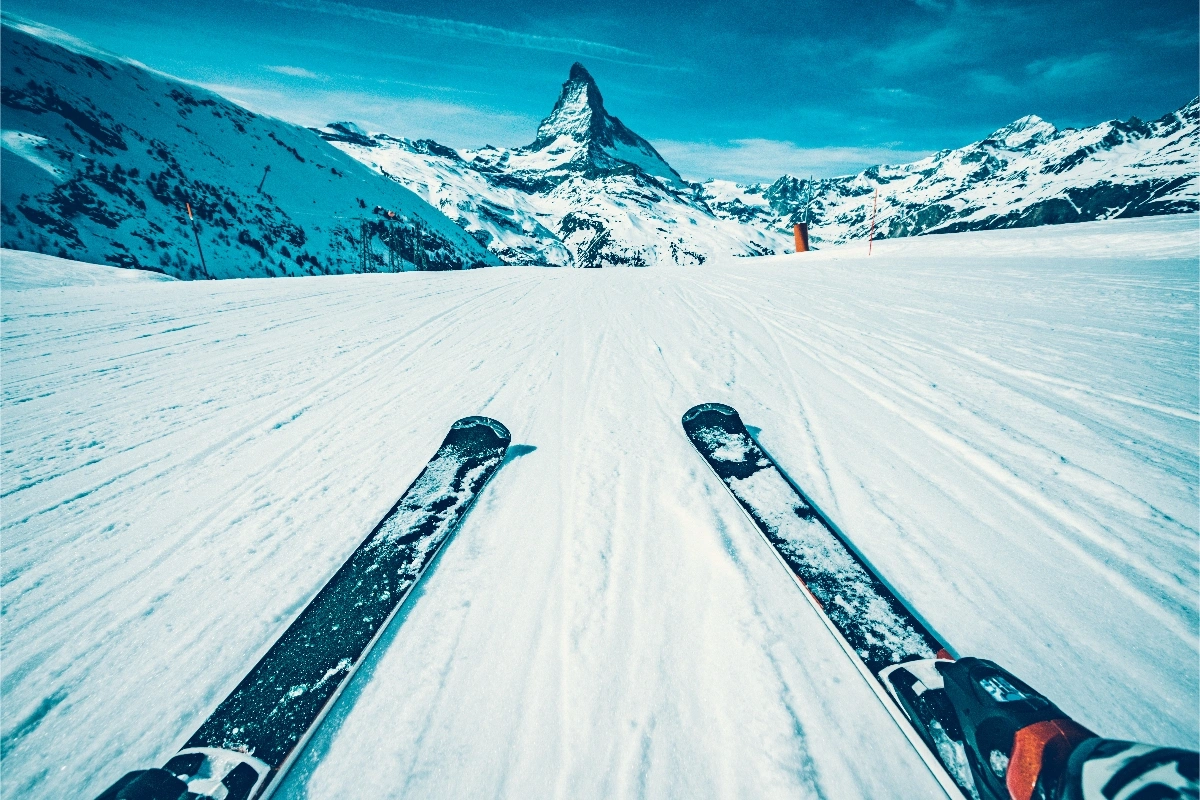
Table of contents:
Zermatt, Verbier, Crans-Montana or St. Moritz: Switzerland is on every keen skier's wish list. A couple of hours' flight from London to Geneva or Zurich, a scenic transfer, and you're on some of the best-groomed slopes in the Alps with the Matterhorn as a backdrop. But anyone who has skied there before knows the catch: a Swiss ski holiday is expensive, and every payment in Swiss francs can quietly add a little more to the bill if you're not careful.
Lift passes, ski hire, a hot chocolate at the top of the gondola or a fondue at the end of the day: in this guide, we explain when to use your card, when to keep a few Swiss francs in your pocket, and how to avoid losing money on exchange fees during your ski holiday.
Key takeaways
- Switzerland uses the Swiss franc (CHF), so every payment made with a standard UK debit or credit card can trigger a non-sterling transaction fee, often close to 3% of the amount, plus a fixed fee on each cash withdrawal with many banks.
- Cards are accepted almost everywhere in ski resorts, from lift pass offices to ski hire shops, but a few Swiss francs in cash are still useful for mountain huts, lockers and small tips.
- When a card machine or cash machine offers to charge you in pounds instead of Swiss francs, always choose francs: the conversion offered on the spot almost always uses a less favourable rate.
- A Travel Money Card loaded with Swiss francs before you leave lets you pay for lift passes, ski hire and meals at a rate close to the market rate, with a 0.5% or 1.5% exchange margin depending on the plan you choose.
- The ideal combination: CHF 100 to 200 in cash per person for the week, and a Travel Money Card for everything else.
Why a Swiss ski holiday costs more than you think
The price on the brochure is only part of the story. Lift passes have risen sharply in recent years: last season they went up by around 10% on average across Swiss resorts, and most ski areas now use dynamic pricing, with prices that vary depending on the date and how early you book.
Then there's a hidden cost: the exchange rate. Because you're paying in a foreign currency, your bank applies a fee to every card payment in Swiss francs and often a fixed charge on each cash withdrawal. Over a week where everything is paid in francs, those small fees end up adding up to a noticeable sum.
Card or cash: what to pay with in a ski resort
Payments to make by card
In Swiss resorts, card is the norm. Lift pass offices, ski hire shops, ski schools, hotels and the vast majority of restaurants accept card payments without any problem, including contactless payments with your phone.
These are also the biggest expenses of your holiday. That's where the exchange rate matters most: on a family lift pass or a week of ski hire for four, a few percentage points of fees can easily add up to £30 or £40.
When Swiss francs in cash are still useful
Even in a country as well equipped as Switzerland, it would be a shame to set off without any notes at all. Small mountain huts and some high-altitude restaurants don't always have a card machine, or the signal can be patchy. Ski lockers, some parking meters and small village markets also often work with coins.
The Swiss also use TWINT, a local mobile payment app, a lot. It's handy for residents but generally requires a Swiss bank account, so smaller traders who rely on it usually accept cash as an alternative.
Finally, tipping isn't compulsory in Switzerland, as service is included. Rounding up the bill or leaving a few francs for your ski instructor is still appreciated, and it's easier with some change in your pocket.
Should you pay in pounds when you're offered the option?
In resorts popular with British skiers, card machines and cash machines frequently ask whether you'd like to pay in pounds rather than Swiss francs. It looks reassuring, as you see the amount in a currency you know, but it's rarely a good deal. This option, called dynamic currency conversion, applies an exchange rate set by the payment provider, which is almost always less favourable than your own card's rate.
The rule is simple: always pay in the local currency. We look at the difference between card types in more detail in our article on Travel Money Cards versus traditional bank cards.
Get your Travel Money Card
Activate your multi currency travel card in just a few clicks and enjoy our best exchange rates today.
How much does the exchange rate cost over a ski week?
Let's take a practical example: a couple spends a week in a resort in the Valais and spends the equivalent of £2,200 by card on site (lift passes, ski hire, lessons, restaurants and groceries), plus two cash withdrawals.
| Payment method | Estimated exchange fees | Withdrawal fees (2 withdrawals) | Total |
|---|---|---|---|
| Standard UK bank card (2.99% non-sterling fee, £1.50 per withdrawal) | around £66 | £3 | around £69 |
| Travel Money Card, Standard Traveller plan (1.5% margin) | around £33 | £4 | around £37 |
| Travel Money Card, Frequent Traveller plan (0.5% margin, £1.50 per month) | around £11 | £4 | around £16.50 incl. subscription |
Over a single week, the difference is over £50 with the Frequent Traveller plan. That's a fondue for two at the top of the slopes, or an extra half-day of ski hire. And if you go skiing several times a season, at February half-term and again at Easter for example, the savings add up with every trip.
How to plan your Swiss franc budget before you go
1. Order some Swiss francs in advance
For your first expenses on arrival and small cash payments, allow between CHF 100 and 200 per person for a week. You can buy your Swiss francs online with 0% commission and collect them from one of our branches. Flying to Geneva from Gatwick? Our Gatwick Airport branch lets you pick up your order just before your flight.
No time to pop into a branch before you leave? Choose home delivery: your Swiss francs are delivered to your door as soon as the next business day, anywhere in the UK, and delivery is free on orders over £800.
2. Load your Travel Money Card with Swiss francs
For everything else, a Travel Money Card lets you convert your pounds into Swiss francs in advance, at the current rate, and then pay directly in the local currency. The card is 100% virtual: once added to Apple Pay or Google Pay, you can pay for your lift pass or ski hire with a simple tap of your phone. Remember to order it and top it up a few days before you leave, to allow time for your bank transfer to arrive.
Another advantage: you can track your spending in real time in the app. Handy when every coffee on the mountain costs more than CHF 5 and you want to keep an eye on your holiday budget.
3. Plan ahead for any leftover francs
Come back with notes left over? With our Buy-Back Guarantee, added to your order for £5.99, you can sell your leftover currency back at the original rate within 30 days, up to the equivalent of £1,000. And if you're planning to ski in Switzerland again next winter, you can always keep them for your next trip.
Reserve your currency online
Enjoy the best exchange rates and 0% commission when booking your travel money online.
Frequently asked questions (FAQ)
Can you pay in pounds in Swiss ski resorts?
Card machines often offer to charge you in pounds, but the rate applied is set on the spot and is rarely in your favour. Paying in Swiss francs, whether in cash or by card, is almost always the better option.
How many Swiss francs should I take in cash for a week's skiing?
Allow between CHF 100 and 200 per person for mountain huts, lockers, tips and small purchases. Everything else, including lift passes and ski hire, can be paid by card.
Do ski lifts in Switzerland accept contactless payments?
Yes, lift pass offices accept bank cards and mobile payments. Many resorts also let you buy your pass online in advance, often at a lower price thanks to dynamic pricing.
Where can I get the best Swiss franc exchange rate?
The rate changes every day. You can check our exchange rates, updated throughout the day, and reserve your Swiss francs online to get our best rates with 0% commission.
Can I withdraw cash with a virtual card in Switzerland?
Yes, as long as you use a cash machine that accepts contactless or virtual cards. Each withdrawal with the Travel Money Card costs £2, which is why it makes sense to group your withdrawals or take some Swiss francs with you before you leave.

-

4 Food Destinations to Explore in Thailand
June 30, 2025
-

Transport in Asia
July 21, 2025
-
Buying a property abroad
April 4, 2025